Menu
If you’re shopping for a perimeter fence that will outlast its first season – let alone its first decade – the choice usually comes down to two metals: aluminum or steel. They look similar from across the yard. Their lifespans are not.
Here’s the honest comparison, side by side.
The short answer
Aluminum lasts longer in almost every residential setting, because it doesn’t rust. A powder-coated aluminum fence installed today will look essentially identical in 25 years. A steel fence – even galvanized or painted – will start losing the battle against oxidation the moment it’s scratched.
How rust actually works (and why aluminum sidesteps it)
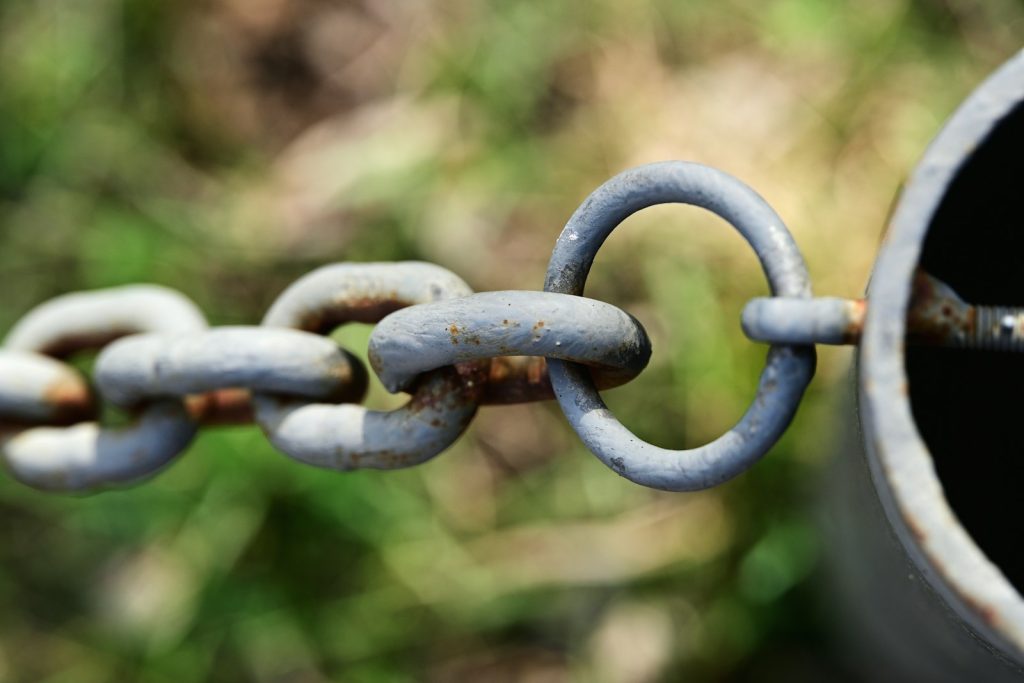
Steel rusts because iron + oxygen + water = iron oxide. Once that reaction starts, it doesn’t stop. Coatings slow it down; they don’t prevent it. Every chip, every scratch, every drilled hole becomes an entry point for moisture, and the corrosion spreads underneath the coating from there.
Aluminum doesn’t have iron in it. When aluminum is exposed to oxygen, it forms a thin, stable oxide layer on its own surface that actually protects the metal underneath. It’s a self-sealing barrier. Even raw aluminum stays structurally sound outdoors for decades.
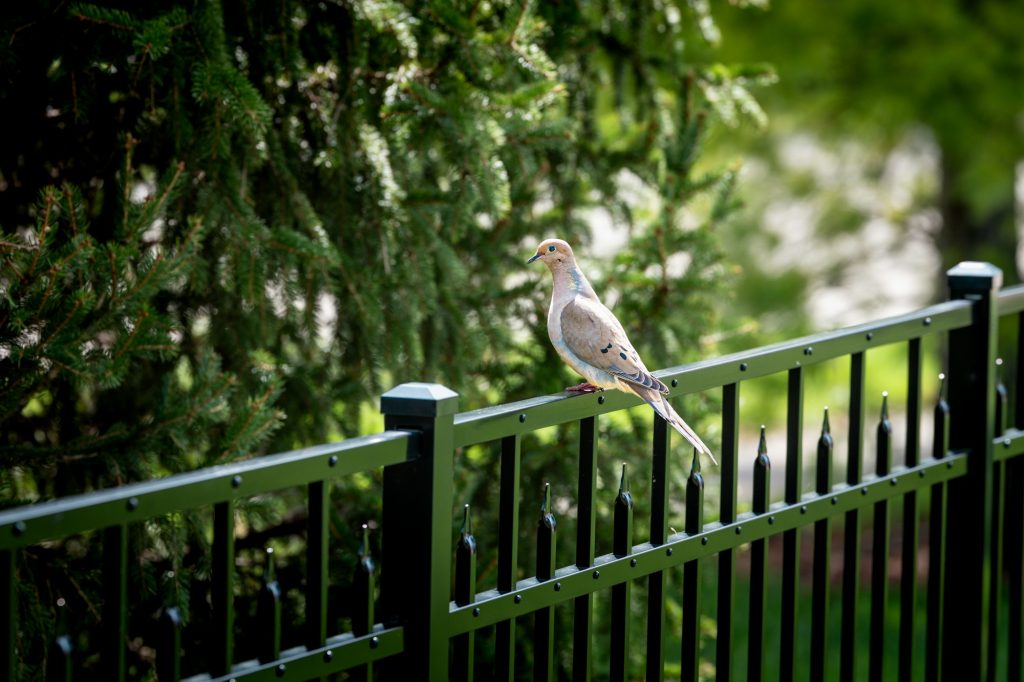
Add a quality powder coat – like the one on every Lexington Series panel – and you get color durability on top of that natural corrosion resistance.
Weight, strength, and what it means for posts and gates
Steel is heavier and stiffer pound-for-pound. That sounds like a win, but in practice it means:
- Steel posts need bigger footings to hold their weight
- Steel gates sag faster because they’re harder on their hinges
- Steel panels are harder to handle and install solo
Aluminum is lighter, which makes the math simpler for residential installs. Posts and panels can be handled by one or two people without machinery, and gates – even larger drive-through gates – put less stress on their hardware over time.
Maintenance over the years
This is where the lifespan difference compounds quietly. A steel fence needs:
- Periodic inspection for chipped paint
- Touch-up painting where rust shows
- Eventually, full repainting
- Replacement of corroded posts where the fence meets the ground
A powder-coated aluminum fence needs… an occasional rinse from a garden hose. That’s it. No staining, no sealing, no sanding back rust spots before they spread.
Cost: the real picture
Steel fencing is often cheaper at purchase. Aluminum closes – and beats – the gap once you factor in maintenance, repair, and the eventual replacement cost a steel fence will incur somewhere around year 15. If you’re staying in your home long enough to host another summer barbecue, aluminum is the better dollar.
When steel still makes sense
To be fair: industrial applications where impact resistance matters more than longevity, or where heavy-duty security barriers are the priority, still favor steel. But for residential pool areas, yards, driveways, gardens, and decorative property lines – the use cases most Frontier Global customers care about – aluminum is the clear winner. (If you’re specifically fencing a pool, the chemistry argument gets stronger – see Is Black Aluminum Fencing Right for Your Pool Area?)
The bottom line
If you’re choosing a fence today and want it to be the last fence you buy for that property, go aluminum. Powder-coated black aluminum specifically: the finish hides smudges, complements virtually any landscape, and gives you the most premium curb appeal per dollar.
Want to talk specifics for your yard or property? Get a free quote – a Frontier Global rep will call you back the same day with panel options, post counts, and shipping for your zip code.
Ready to spec a fence that'll outlast the next decade?
Tell us your yard layout and we’ll send back panel counts, post mix, and freight for your zip code – same-day callback.